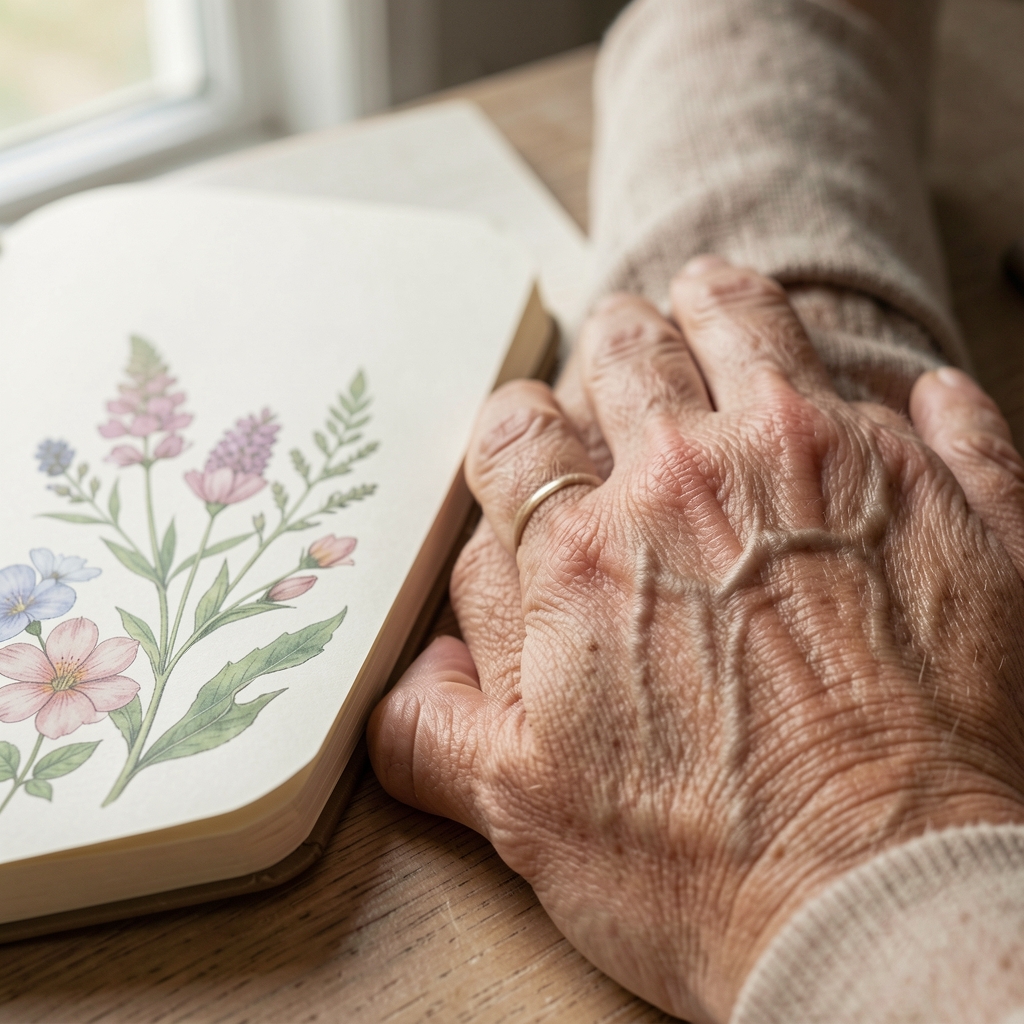
Skin changes after 40 are part of a broad ageing process involving structure, water balance, pigment patterns and the way the surface responds to its surroundings. This editorial overview introduces the biology without turning it into a promise of a particular outcome. It considers collagen, elastin, the outer barrier and the everyday influences that shape how skin looks and feels. The useful starting point is observation: skin is living tissue, and its appearance varies with inherited traits, sunlight, climate, sleep, nutrition and routine. Research language can sound absolute when removed from context, so this guide keeps the boundaries visible and points readers towards thoughtful questions for a qualified healthcare professional.
The outer barrier
The outer layer helps manage water movement between the body and the environment. With age, its composition and renewal rhythm can change. Dry indoor air, wind and frequent cleansing may become more noticeable factors. A gentle routine and attention to comfort are often discussed in skin health information because the surface is influenced by both biology and surroundings.
Collagen and connective structure
Collagen provides a framework within connective tissue. Production and breakdown are natural parts of biology, and their balance can shift across adulthood. This does not create one single story for every person. Genetics, daylight exposure, smoking, diet and general wellbeing all sit within the wider context researchers consider.
Pigment and light
Uneven tone can become more visible over time. Daylight exposure is one factor, alongside inherited patterns and the natural distribution of pigment. Reading about this topic is most useful when it avoids dramatic language and recognises that appearance differs widely between individuals.
Hydration and texture
Water content at the surface affects suppleness and the perception of fine texture. Humectants, emollients and occlusive ingredients are common terms in product descriptions, but their use should be understood in relation to the individual routine and skin comfort.
Questions worth asking
- Which part of the article describes general biology rather than an individual outcome?
- What lifestyle context might alter how the information applies?
- Would a conversation with a qualified professional help clarify a personal concern?
Key takeaways
- Skin ageing is a layered biological process.
- Barrier function, structure, pigment and hydration interact.
- Individual context matters more than a single headline.