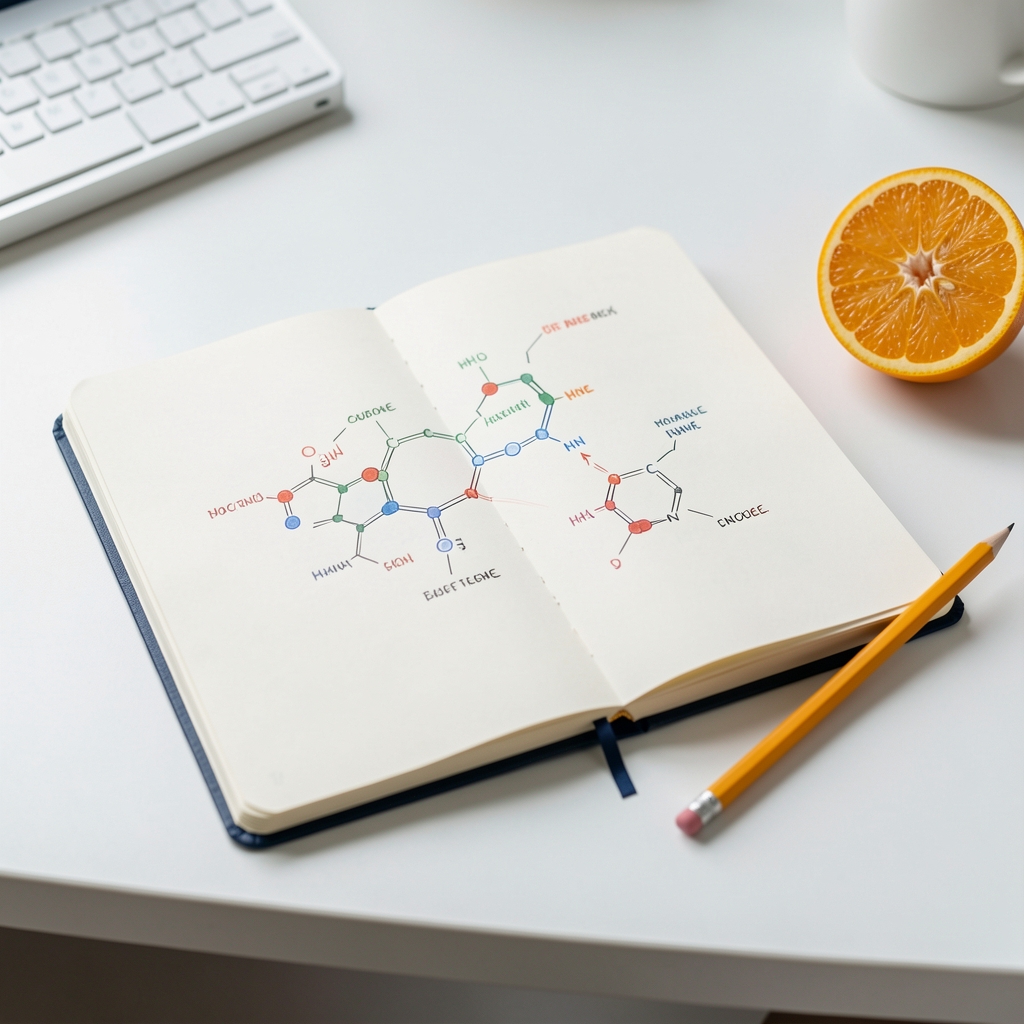
Collagen is a structural protein found throughout the body and is frequently discussed in writing about skin health and collagen after 40. This review explains the basic vocabulary: synthesis, connective tissue, amino acids and the natural balance between formation and breakdown. It also considers why a study result cannot be lifted out of its setting and applied to every reader. The research conversation includes food patterns, daylight exposure, smoking, sleep and age-related biology. It is a subject that benefits from patience, precise wording and an understanding that food supplements sit within a broader lifestyle context.
What collagen does
Collagen fibres help provide strength and structure. In skin, they sit within a matrix that also includes elastin, water and other molecules. The matrix changes gradually with age and environmental exposure, but the pace is not identical for everyone.
How synthesis is described
Researchers use synthesis to describe the creation of new protein. Amino acids provide building blocks, while several nutrients participate in normal biological pathways. This is a description of physiology rather than a guarantee about appearance.
Reading supplement studies
Studies of food supplements vary in design, duration, participants and measures. A careful reader checks whether a finding relates to a particular preparation, dose and population. Editorial health information should make those limits easy to see.
Food first context
Protein-containing foods, fruit, vegetables and a varied diet are part of the context commonly discussed alongside connective tissue. The pattern matters more than one fashionable ingredient or a single dramatic claim.
Practical reading questions
- Is the evidence about a nutrient, a food or a named preparation?
- How long did the observation last?
- Were the measures meaningful to everyday readers?
Key takeaways
- Collagen is structural protein, not a standalone story.
- Ageing biology interacts with lifestyle and environment.
- Study context is essential when interpreting findings.